Priscilla and the Weight of Belonging Nowhere
A look at how Priscilla's hybrid nature reflects the series' recurring theme of characters caught between worlds, neither fully accepted nor fully condemned.
From Luxor, we dig through item descriptions, environmental clues, and forgotten dialogue to trace the narrative threads binding these worlds together.
I've read maybe a dozen breakdowns of the Painted World and this was the first one that actually connected it back to the Rite of Kindling instead of just describing the level again. Took me three rereads to catch everything.
The piece on the Pygmy Lords cleared up something I'd been confused about since 2011. Cited the item text directly instead of just asserting theories, which is rare on lore sites these days.
Sent the Ranni essay to my whole Discord server. We argued about the ending interpretation for two days after. Good bibliography section too, actually links back to source dialogue.
Recent narrative deep-dives and thematic essays
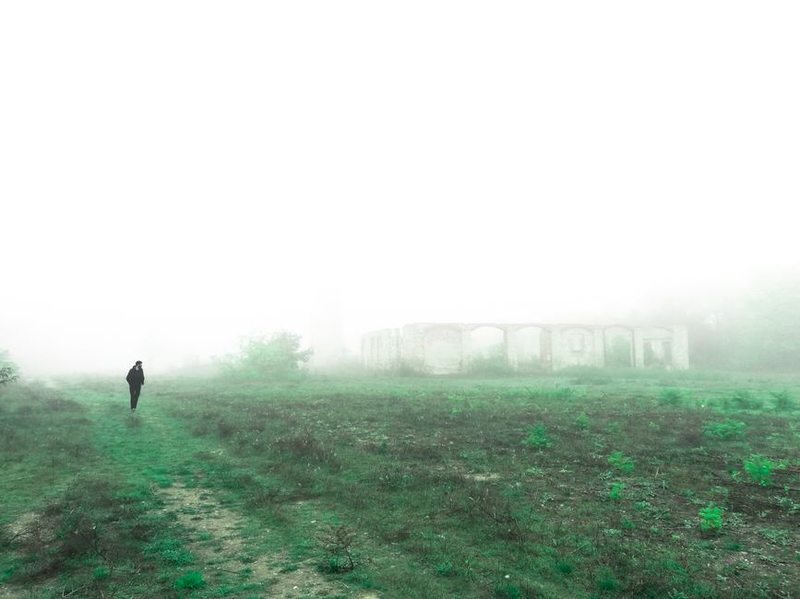
A look at how Priscilla's hybrid nature reflects the series' recurring theme of characters caught between worlds, neither fully accepted nor fully condemned.
Tracing scattered item descriptions and NPC dialogue to piece together the Frenzied Flame's motives, and why players still disagree on the interpretation.
An examination of how the series treats endings as inherently unstable, favoring rekindling and repetition over any single, definitive conclusion.

Comparing the Great Ones to earlier series mythology and tracing how Lovecraftian influence reshaped the studio's approach to unknowable, indifferent gods.
Why item flavor text functions as the most reliable narrative source in these games, and how scholars cross-reference it against environmental storytelling.
We work primarily from in-game text, item descriptions, and environmental design, since the series rarely offers direct authorial explanation. Where developer interviews exist, we cite them, but most conclusions come from close reading of the games themselves.
Yes. Our essays assume familiarity with the games discussed and often reference late-game or DLC content directly. We flag major plot points in headlines when possible, but readers who want to stay unspoiled should approach with caution.
We occasionally extend into Bloodborne, Sekiro, and Elden Ring given their shared design philosophy and overlapping thematic concerns, though our primary focus remains the mythology built across the original Souls trilogy.
We present competing interpretations where the source material genuinely supports more than one reading, rather than asserting a single answer as definitive. Ambiguity is often intentional in these games, and we try to reflect that honestly.
We welcome outside perspectives and periodically feature reader-submitted analysis, provided it engages seriously with source material rather than speculation alone. Reach out through our contact page with a brief outline.
Recurring threads of analysis readers keep coming back to
An ongoing series tracing how kindling, linking, and the eventual usurpation of fire shape the philosophical core of the original trilogy.
Profiles of overlooked characters like Siegmeyer and Solaire's lesser-known counterparts, whose arcs quietly comment on the games' central themes.
A recurring analysis thread exploring the Abyss not as simple evil, but as a metaphor for erasure, memory loss, and forgotten history.
Essays mapping the Greater Will, the Golden Order, and the Outer Gods as competing theological systems rather than a single mythology.
Close readings of level design choices, such as Anor Londo's inverted geography, and what they reveal about the world's history.
A look at how Bloodborne's Great Ones and dream logic echo and diverge from established Souls series cosmology.
What makes our approach to lore analysis different
Every claim traces back to in-game text, item descriptions, or environmental detail rather than speculation alone.
Our contributors have spent years cataloguing item text and dialogue across the series, building a reference library few sites match.
We incorporate reader theories and pushback into revised essays, treating lore analysis as an ongoing conversation rather than a final word.
Writing from a city built on layered history and mythology of its own, which shapes how we approach the series' own buried narratives.